Purpose-built for navigation.
SYSTEMS ARCHITECTURE
full constellation
Engineered to evolve. Pulsar is a living system, designed to improve continuously as the constellation grows.
Patented distributed clock architecture
Pulsar expands on today’s trusted navigation infrastructure by combining multiple sources of time into a single, highly precise system. By comparing and validating time across the constellation, Pulsar achieves clock measurements beyond what any single source can provide.
As the constellation scales, inter-satellite crosslinks will enable further resilience as a fully distributed, independent source of time that operates without the need for legacy assets.
Software-defined spacecraft
Pulsar’s payload and flight systems are software-defined by design. In-orbit updates allow new signal architectures, features, and performance improvements to be deployed globally without replacing hardware.
The result: faster innovation adapted to the needs of users, not satellite capability. Pulsar satellites age well.
High-power transmissions
Pulsar broadcasts navigation signals strong enough to reach where GPS cannot, bringing reliable coverage under tree cover, indoors, and deep within urban environments.
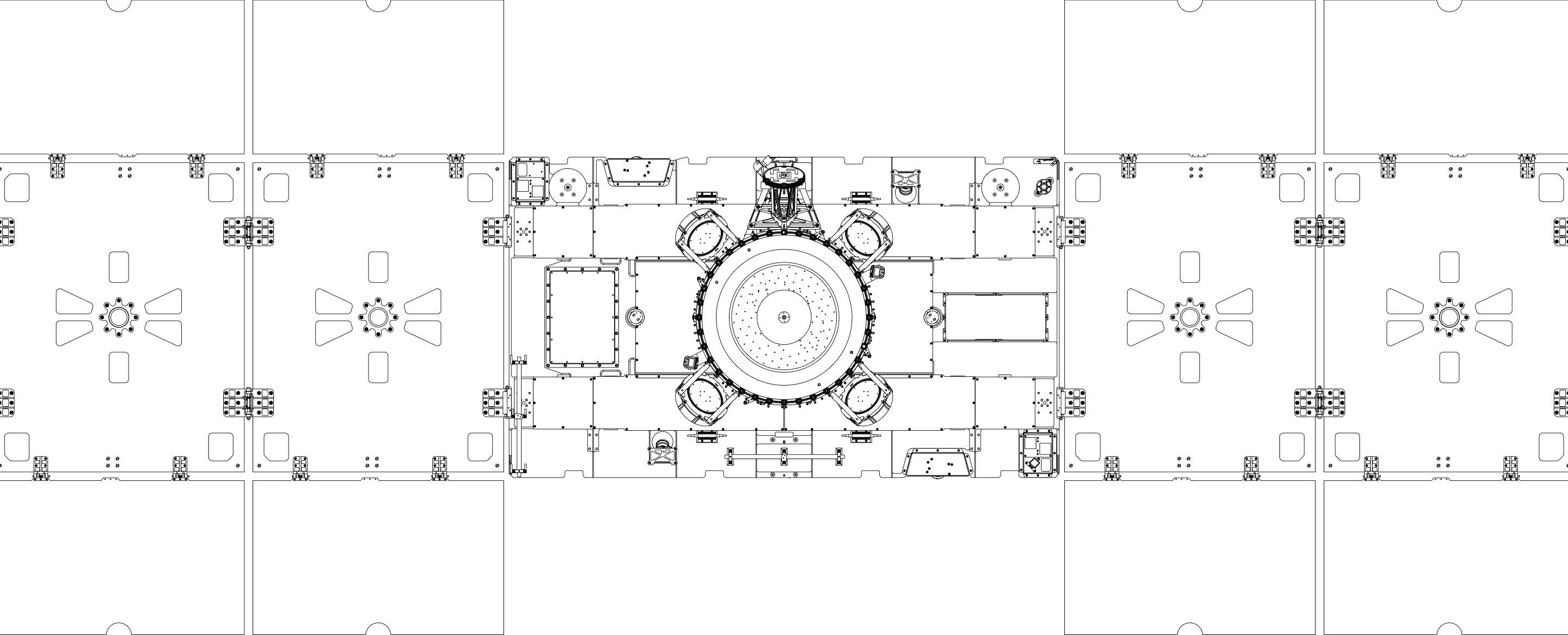
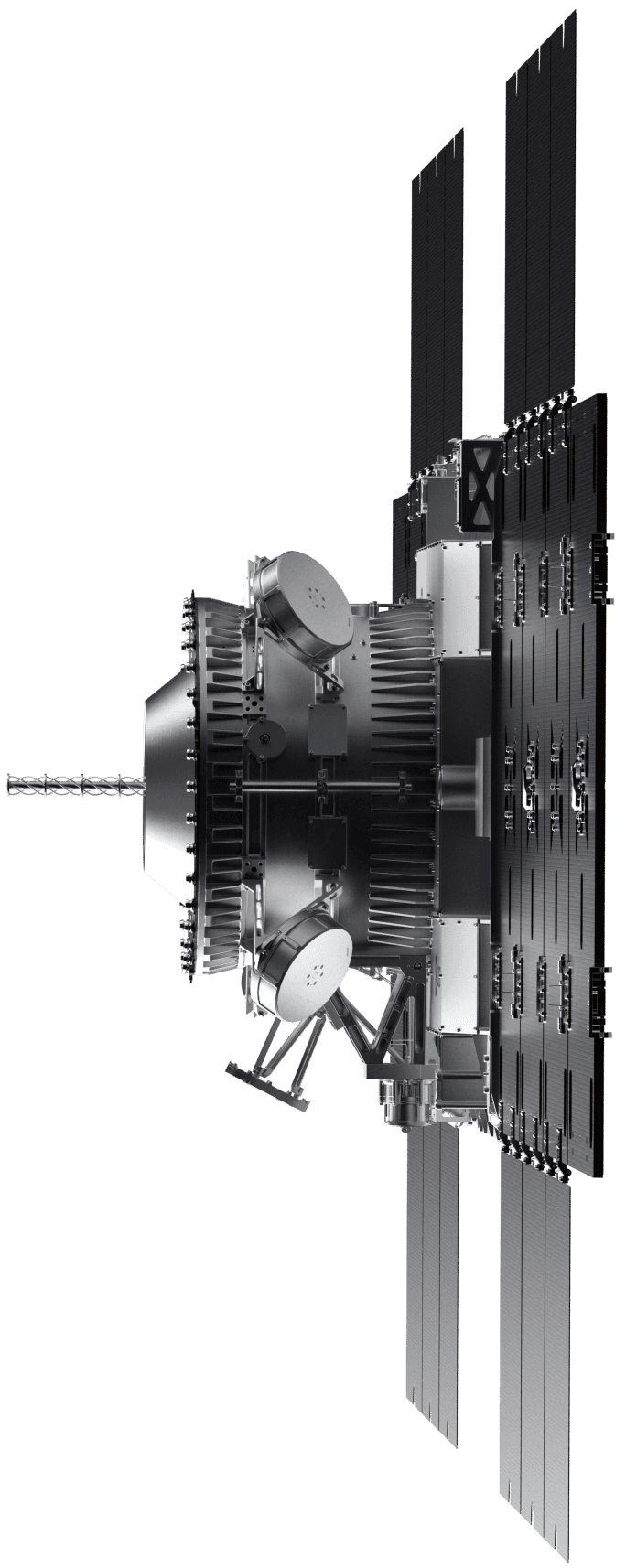
With 3 kW of deployed solar capacity, a bespoke folding panel architecture, and custom designed isoflux transmission antennas, Pulsar includes the highest-power navigation signal ever flown.
Resilience, by design
Pulsar’s dense constellation enables dynamic response, adjusting orbital placement and spacing to maintain coverage and restore capability quickly.
Designed to deploy across multiple commercial launch vehicles, Pulsar satellites can be built, stored, and redeployed rapidly, ensuring enduring continuity even in contested or degraded environments.
Sustainability in orbit
Pulsar spacecraft are designed to be responsible long-term users of space.
Each satellite undergoes rigorous health and safety validation before reaching operational altitude. Every vehicle includes hardware to support in-orbit servicing and assisted de-orbit, ensuring compliance and stewardship throughout its lifecycle.
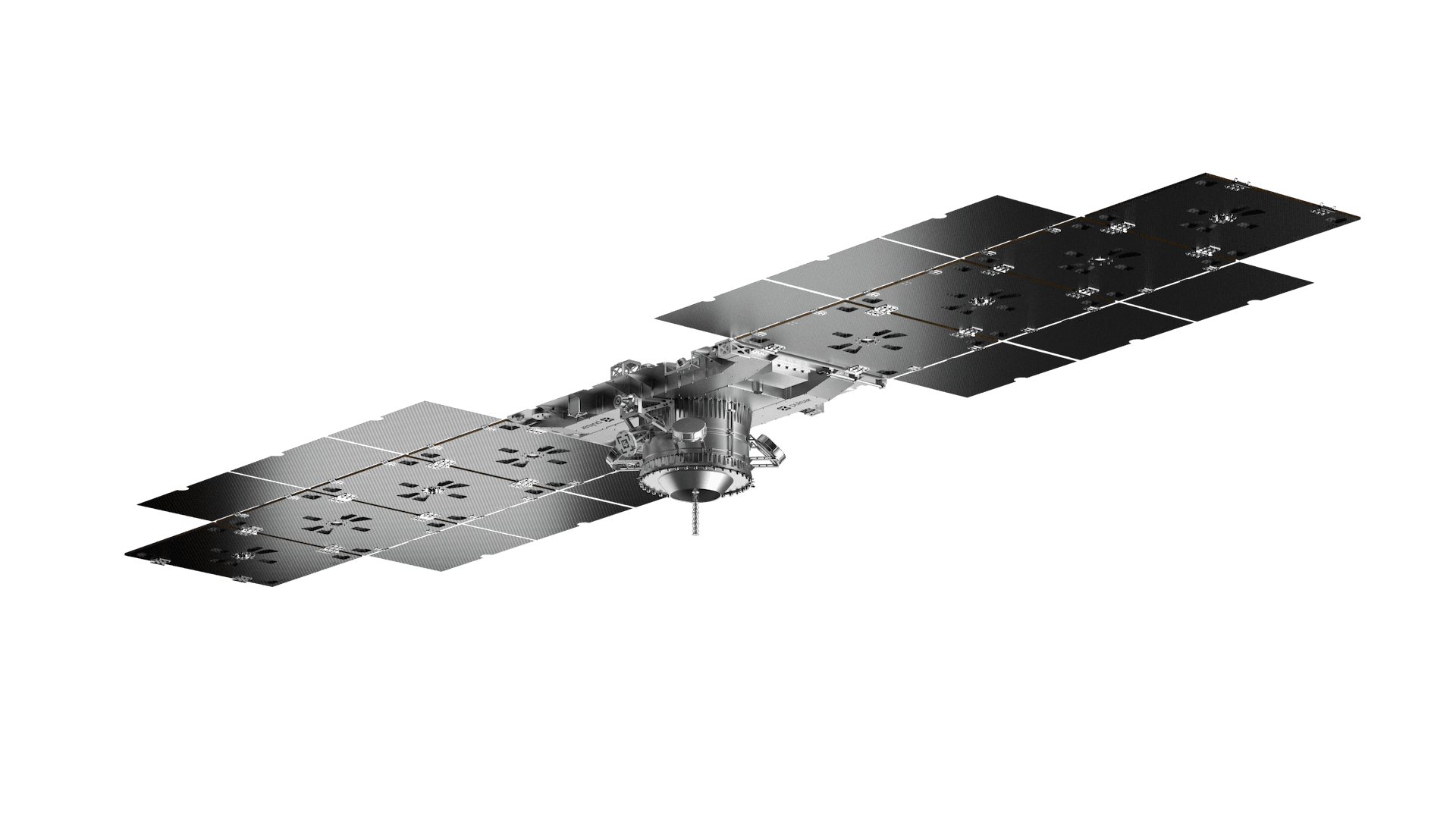
Pulsar. Powered by the most advanced navigation spacecraft ever built.
Pulsar’s software-defined payload enables continuous in-orbit upgrades, allowing new signals and capabilities to be deployed seamlessly to users without hardware.
constellation
258 satellites
1080 kilometers above Earth
orbital Planes
12 planes of 16 spacecraft at 53 degrees
6 planes of 11 spacecraft at 97 degrees
Peak Power generation
Up to 3.4 kilowatts
operating life
5 years
Frequency
X1 + X5
Right Hand Circularly Polarized
wingspan
9.42 meters